
pharmxtreme
Sumbit Your Requirement and get 10% off on all products.
Sumbit Your Requirement and get 10% off on all products.
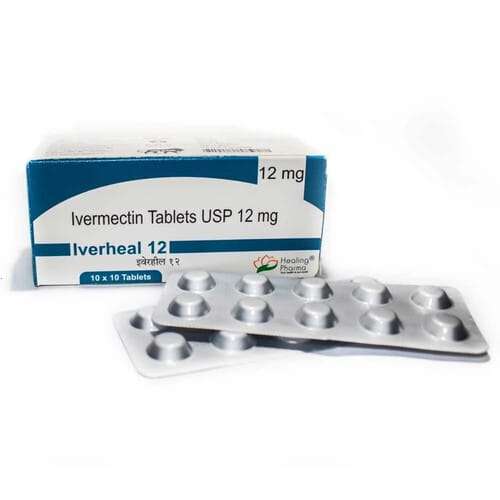
Ivermectin is a widely used antiparasitic medication available in multiple strengths, including ivermectin 3mg, ivermectin 6mg, ivermectin 12mg, ivermectin 24mg, and ivermectin 40mg, to treat a variety of parasitic infections effectively. Known for its strong action against parasites, ivermectin works by targeting and eliminating harmful organisms from the body, helping improve overall health and recovery.
Commonly prescribed for conditions such as intestinal infections and Onchocerciasis, ivermectin tablets are trusted across the US, UK, Australia, and Europe for their effectiveness and reliability. With different dosage options like ivermectin 3mg to ivermectin 40mg, patients can receive the right strength based on their condition and medical need
What Is Ivermectin?
Ivermectin is an antiparasitic medication that works by paralyzing and killing parasites in the body. It is commonly prescribed to treat infections affecting the intestines, skin, and eyes. Because of its proven effectiveness, ivermectin is widely used worldwide for parasite control and treatment.
Ivermectin works by targeting the nervous system of parasites, causing paralysis and eventually killing them. It binds to specific channels in the parasite’s cells, disrupting their ability to function and survive in the body. As a result, ivermectin tablets help eliminate parasites from the bloodstream and tissues, making it an effective treatment for infections such as Onchocerciasis and other parasitic conditions.
The dosage of Ivermectin depends on body weight, type of infection, and medical advice. Ivermectin tablets are typically taken as a single dose on an empty stomach with water, but the exact amount varies based on the condition being treated.
For most parasitic infections, the standard dosage is calculated based on body weight (usually around 150–200 mcg per kg). Common tablet strengths include ivermectin 3mg, 6mg, 12mg, 24mg, and 40mg, allowing flexible dosing for different patients.
In some cases, a repeat dose may be required after a few days or weeks to fully eliminate the infection. It is important to follow the prescribed dosage carefully to ensure effectiveness and avoid side effects.
Always take ivermectin exactly as prescribed by a healthcare professional for safe and effective treatment.
Ivermectin tablets are highly effective for treating parasitic infections by killing and removing harmful parasites from the body. They are fast-acting, easy to use, and available in strengths like ivermectin 3mg, 6mg, 12mg, 24mg, and 40mg, allowing flexible dosing. With proven results, ivermectin tablets help improve recovery and overall health.
Ivermectin may cause mild side effects in some users, including headache, dizziness, nausea, diarrhea, or fatigue. In rare cases, more serious effects like allergic reactions or low blood pressure can occur. Most side effects are temporary, but ivermectin should always be used as directed for safe and effective treatment.
Take Ivermectin exactly as prescribed by your healthcare provider. Ivermectin tablets are usually taken on an empty stomach with a full glass of water for better absorption. The dosage depends on your body weight and the type of infection, so always follow the recommended dose (such as ivermectin 3mg, 6mg, 12mg, 24mg, or 40mg).
Avoid taking more than the prescribed amount, and do not repeat the dose unless advised. If you are taking other medications or have existing health conditions, consult a doctor before use.
Proper dosage, timing, and medical guidance are key to using ivermectin safely and effectively.
Ivermectin should not be taken by people who are allergic to it, have severe liver disease, or are taking interacting medications. Pregnant or breastfeeding women and young children should consult a doctor before use.
Avoid ivermectin without medical advice if you have health risks.
Ivermectin 3mg, 6mg, and 12mg differ mainly in strength and dosage.
Final: The difference is only in dosage strength, and the right one depends on body weight and infection type.
You can buy Ivermectin online by pharmxtreme.com.
Ivermectin is used to treat parasitic infections by killing and removing parasites from the body. It is commonly prescribed for conditions like intestinal infections and Onchocerciasis.
Ivermectin is generally safe when taken as prescribed by a healthcare professional. It is widely used to treat parasitic infections effectively.
However, taking ivermectin without proper dosage or medical advice may cause side effects like dizziness, nausea, or allergic reactions.
Final: Ivermectin is safe when used correctly under medical guidance.
Ivermectin is neither a steroid nor an antibiotic—it is an antiparasitic medication used to treat infections caused by parasites.
Ivermectin was originally developed for humans to treat parasitic infections, especially river blindness (onchocerciasis) and lymphatic filariasis (elephantiasis). It works by killing or paralyzing parasitic worms and their larvae.
When taking Ivermectin, avoid:
No foods contain Ivermectin naturally.
Ivermectin is a prescription medication, not a nutrient or food ingredient. It is not found in any fruits, vegetables, meats, or dairy products.
No food contains ivermectin—only medications do.
The drug most famously called a “wonder drug” is Penicillin.
It was the first widely used antibiotic, discovered by Alexander Fleming, and it revolutionized medicine by effectively treating previously deadly bacterial infections.
There is no separate “old name” for Ivermectin.
It was developed and named ivermectin by scientists at Merck & Co..
It belongs to the class of drugs called avermectins, but “avermectin” is the class/original compound, not a previous name for ivermectin.
For Ivermectin:
Main side effects of Ivermectin:
Less common but serious (rare):
Ivermectin normally does not affect the brain at safe, prescribed doses because it cannot easily cross the blood–brain barrier.
However, if taken in very high doses or used incorrectly:
This is why proper dosing is very important.
Taking Ivermectin for 5 days depends on the dose and condition being treated—it’s not usually taken for 5 days unless a doctor specifically prescribes it.
Possible effects:
Important: Taking it for 5 days without medical guidance can increase risk of side effects or overdose.
Ivermectin does not repair or regenerate nerves.
It is an antiparasitic drug, used to treat infections caused by worms and parasites.
There is no strong scientific evidence that it can heal damaged nerves or treat nerve disorders.
Ivermectin does not normally weaken or damage the immune system when taken at the correct, prescribed dose.
When taking Ivermectin for the first time, here’s what you can expect:
Important: Avoid alcohol and don’t drive if you feel dizzy.
Ivermectin mainly works in the gut and body to kill parasites, not to damage the digestive system.
What it does in the gut:
With Ivermectin, how you know it’s working depends on why you’re taking it (usually for a parasitic infection):
Signs it’s working:
What you may notice:
Ivermectin is used to treat certain parasitic infections, including:
When taking Ivermectin, avoid:
There isn’t one single “strongest” drug for nerve damage. Treatment depends on the cause and type of nerve pain (neuropathy).
Commonly used strong options include:
There’s no instant or “fastest” cure for nerve damage, but recovery can be improved and sped up depending on the cause.
What helps most:
Important: Some nerve damage heals slowly over weeks to months, and severe damage may be permanent.
Sumbit Your Requirement and get 10% off on all products.