
pharmxtreme
Sumbit Your Requirement and get 10% off on all products.
Sumbit Your Requirement and get 10% off on all products.
Sildenafil, commonly known as Viagra, is one of the most trusted treatments for Erectile Dysfunction (ED) worldwide. Sildenafil tablets are widely used to improve blood flow, helping men achieve stronger, more reliable erections and enhanced sexual performance.
This complete sildenafil guide covers essential information including uses, dosage, benefits, side effects, and how to take sildenafil for the best results. Whether you want to buy sildenafil online or compare sildenafil vs Viagra, understanding how sildenafil works can help you get safe, fast, and effective results.
Sildenafil is primarily used to treat Erectile Dysfunction (ED) and Pulmonary Arterial Hypertension. Originally developed to manage heart-related chest pain, sildenafil gained global recognition after it was found to significantly improve sexual performance by increasing blood flow. Approved by the FDA in 1998 under the brand name Viagra, sildenafil has since become one of the most widely used and trusted treatments for erectile dysfunction worldwide.
Sildenafil (Viagra) works by boosting blood flow where it matters. It’s a PDE5 inhibitor that relaxes blood vessels in the penis, allowing more blood to flow in during sexual stimulation. The result? A firmer, longer-lasting erection that improves performance and confidence—but only when you’re already aroused.
The primary use of Sildenafil (Viagra) is to treat erectile dysfunction, helping men who struggle to achieve or maintain a firm erection. By improving blood flow, Sildenafil 100 mg supports stronger, more reliable performance during sexual activity—restoring not just function, but also confidence and overall sexual well-being.
Sildenafil (Viagra) is used to treat Pulmonary Arterial Hypertension by relaxing the blood vessels in the lungs, which lowers pressure and improves blood flow. This helps the heart work more efficiently, making breathing easier and increasing exercise capacity in patients.
The most obvious benefit of Sildenafil (Viagra) is its ability to relieve erectile dysfunction symptoms by improving blood flow, helping you achieve and maintain a firm erection. This leads to more satisfying, longer-lasting sexual performance and a more pleasurable overall experience.
Beyond physical effects, Sildenafil (Viagra) also delivers a strong psychological boost. By improving performance and reliability, it helps reduce anxiety, rebuild self-confidence, and ease performance pressure—leading to a more relaxed, satisfying, and enjoyable sexual experience.
The cost of Sildenafil (Viagra) depends on several key factors, including dosage strength, brand vs generic options, and formulation type. Generic versions are usually more affordable, while branded products cost more. Prices can also vary based on pharmacy pricing, location, demand, and healthcare coverage or insurance, all of which influence the final cost for consumers.
Generic Sildenafil is typically much cheaper than the brand-name Viagra while offering the same effectiveness and safety. Discussing options with your healthcare provider can help you choose the most cost-effective and suitable treatment for your needs without compromising results.
The recommended starting dose of Sildenafil for most men is 50 mg, taken about one hour before sexual activity. Depending on effectiveness and tolerance, your doctor may adjust the dose to 25 mg or 100 mg. It should not be taken more than once a day, and sexual stimulation is required for it to work effectively.
The best time to take Sildenafil is about 30 minutes to 1 hour before sexual activity. Taking it on an empty stomach can help it work faster and reduce potential side effects, while high-fat meals may delay its effectiveness.
For best results, take Sildenafil (Viagra) on an empty stomach and avoid high-fat meals, as they can slow down its absorption and delay effects. Sexual stimulation is essential for the medication to work—simply taking the pill will not produce an automatic erection, but it will support a natural response when aroused.
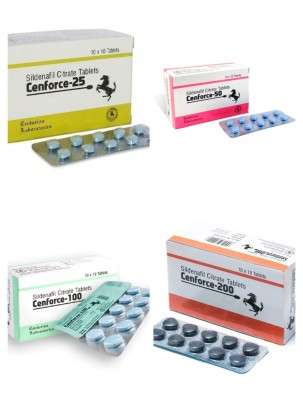
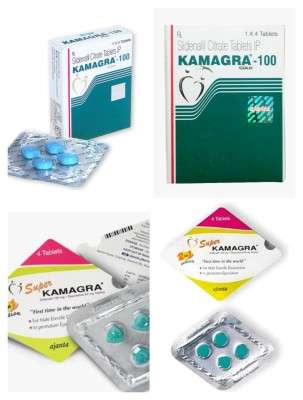
Sildenafil (Viagra) is available in 25 mg, 50 mg, and 100 mg tablets, with the right dose depending on your individual needs. Your doctor will choose the most suitable dosage based on your health and how well you respond to the medication. If needed, the dose may be adjusted to improve results or reduce side effects—so always follow your doctor’s guidance for safe and effective use.
Sildenafil (Viagra) may cause some side effects, although they are usually mild and temporary. Common side effects include headache, flushing, dizziness, indigestion, nasal congestion, and blurred vision. In rare cases, more serious effects like prolonged erection or sudden vision/hearing changes can occur, and medical attention should be sought immediately if these happen.
Common side effects of Sildenafil (Viagra) are usually mild and temporary, including headache, flushing, dizziness, nasal congestion, indigestion, and slight vision changes. These effects often go away on their own as the body adjusts to the medication.
Serious side effects of Sildenafil (Viagra) are rare but require immediate medical attention. These include a prolonged or painful erection (lasting more than 4 hours), sudden vision or hearing loss, severe dizziness, chest pain, or difficulty breathing. If any of these occur, stop using the medication and seek medical help right away.
Sildenafil (Viagra) is a proven and effective treatment for erectile dysfunction, helping improve blood flow, enhance performance, and restore confidence. When used correctly and under medical guidance, it offers reliable results with manageable side effects. Understanding the right dosage, usage, and precautions ensures safe use and the best possible outcomes for overall sexual health.
The cost of Sildenafil (Viagra) varies depending on whether you choose the brand-name version or a generic equivalent. In general, generic sildenafil is much more affordable, while branded options tend to be more expensive due to brand value and marketing costs.
Sildenafil (Viagra) can be taken daily if prescribed by your doctor, usually in a lower dose. This approach allows for more spontaneous sexual activity while maintaining consistent effectiveness, but it should only be used this way under proper medical guidance.
Since Sildenafil (Viagra) is taken as needed, there’s usually no need to worry about missing a dose. Simply take it when you plan to have sexual activity, but avoid taking more than one dose within 24 hours.
Most men can take Sildenafil (Viagra) long-term without major issues, but regular check-ups with your doctor are important to monitor its effects and ensure continued safe use.
Sildenafil (Viagra) is not approved for use in women, but research is ongoing to determine its safety and effectiveness for female sexual dysfunction.
Sildenafil tablet uses are mainly focused on the treatment of erectile dysfunction (ED) in men. Sildenafil tablets work by increasing blood flow to the penile area, helping men achieve and maintain a firm erection during sexual activity. Because of its effectiveness, Sildenafil tablet uses have become widely popular in the United States, UK, Australia, and Europe for improving male sexual performance.
One of the most common Sildenafil tablet uses is for treating Erectile Dysfunction, a condition where men are unable to get or keep an erection. Sildenafil tablet uses also include the treatment of Pulmonary Arterial Hypertension, where it helps relax blood vessels in the lungs and improves blood flow.
Many healthcare providers recommend Sildenafil tablet uses because sildenafil belongs to a class of drugs known as PDE5 inhibitors, which help relax blood vessels and improve circulation. Sildenafil tablet uses are effective when the tablet is taken 30 to 60 minutes before sexual activity, and the effects can last for several hours.
For best results, Sildenafil tablet uses should always follow proper medical advice. When used correctly, Sildenafil tablet uses can improve confidence, sexual performance, and overall quality of life.
Sildenafil helps men who have difficulty achieving or maintaining an erection. It works by increasing blood flow to the penis during sexual stimulation, which helps produce a firm and lasting erection.
Yes, Sildenafil can sometimes start working in about 15 minutes, but this is not typical for everyone.
For most people, Sildenafil starts working in 30–60 minutes.
In some cases, especially if taken on an empty stomach, it may begin working in 15–20 minutes.
The effects usually last 4–6 hours.
Several things can influence how quickly Sildenafil works:
Food intake – Taking it after a heavy or fatty meal can delay the effect.
Dosage – Higher doses like 50 mg or 100 mg may act faster for some people.
Metabolism – Everyone’s body processes medication differently.
Sexual stimulation – Sildenafil only works when sexual arousal is present.
The medication is mainly used for Erectile Dysfunction, helping men achieve and maintain an erection by improving blood flow.
Yes, Sildenafil is the active ingredient in Viagra.
Sildenafil is the generic drug name, Viagra is the brand name for the medication that contains sildenafil.
Sildenafil is generally safe for most people when taken as prescribed, but like any medication, it can carry some risks and side effects.
People with certain conditions should consult a doctor before taking Sildenafil, especially those who:
Take nitrate medications for heart problems
Have severe heart disease
Have low blood pressure
Have had a recent heart attack or stroke
Sildenafil is mainly used to treat Erectile Dysfunction by improving blood flow to help achieve an erection during sexual stimulation.
Yes, Sildenafil can be safe to use daily for some men, but it should only be taken according to medical advice. Sildenafil is commonly used to treat Erectile Dysfunction (ED) by increasing blood flow to the penis, helping men achieve and maintain an erection during sexual activity.
For most men, Sildenafil is taken as needed, usually about 30 to 60 minutes before sexual activity. However, in certain cases a doctor may recommend a low-dose daily schedule depending on the patient’s health condition and response to treatment. Taking Sildenafil daily without guidance may increase the risk of side effects such as headache, flushing, dizziness, nasal congestion, or upset stomach.
The safety of daily Sildenafil use depends on several factors, including age, overall health, and other medications being taken. People with heart disease, low blood pressure, or those using nitrate medications should always consult a healthcare professional before using Sildenafil regularly.
When used correctly and under medical supervision, Sildenafil can be a safe and effective option for managing erectile dysfunction and improving sexual confidence. Always follow professional medical advice to ensure safe and responsible use of Sildenafil.
Both Viagra and Sildenafil work almost exactly the same, so neither is medically “better” than the other.
Viagra → Brand-name medication made by Pfizer
Sildenafil → Generic version of Viagra
Both contain the same active ingredient (sildenafil citrate) and work by increasing blood flow to help treat Erectile Dysfunction.
Viagra and sildenafil have the same effectiveness and safety when taken at the same dose.
Both usually start working in 30–60 minutes and last about 4–6 hours.
Both Viagra and Sildenafil are effective for treating Erectile Dysfunction (ED), and in most cases, they work exactly the same.
Why they are similar
Viagra is the brand-name version of sildenafil
Sildenafil is the generic form
Both contain the same active ingredient (sildenafil citrate)
Both have similar effectiveness, timing, and duration
Key differences
Price: Sildenafil is usually much cheaper
Brand: Viagra is made by a well-known company, while sildenafil is produced by many manufacturers
Appearance: Viagra has a standard blue pill design, while sildenafil tablets may look different
Which is best?
Best for most people: Sildenafil (same results, lower cost)
Best for brand trust: Viagra
Are Manforce and Viagra the same?
Manforce and Viagra are very similar, but not exactly the same.
Simple explanation
Both medications contain the same active ingredient, Sildenafil, which is used to treat Erectile Dysfunction (ED). This means they work in the same way—by increasing blood flow to help you get and maintain an erection during sexual activity.
What’s the difference?
Viagra is the original branded medication developed by Pfizer
Manforce is a generic version made by Mankind Pharma
Both offer similar results, but Manforce is usually more affordable
Important for US, UK, Australia & Europe users
In countries like the US, UK, Australia, and across Europe, generic sildenafil (like Manforce) is widely used as a cost-effective alternative to Viagra. However, availability and brand names may vary, and not all generic brands are sold in every country.
Which should you choose?
For most people, generic sildenafil works just as well as Viagra, so the choice often comes down to price, availability, and personal preference.
Which is better tadalafil or sildenafil?
When comparing Tadalafil and Sildenafil, both medications are highly effective in treating Erectile Dysfunction (ED). However, the better option depends on individual preferences and lifestyle.
Tadalafil is often considered the better choice for many men because it offers a much longer duration of action, lasting up to 36 hours. This allows for greater flexibility and spontaneity, making it ideal for those who do not want to plan their sexual activity around medication timing.
On the other hand, Sildenafil is a reliable option for men who prefer a shorter-acting treatment. It typically works for around 4 to 6 hours and is commonly taken before planned sexual activity.
Overall, while both medications provide similar effectiveness, Tadalafil is generally preferred due to its long-lasting effects and convenience.
Which Viagra is best for males?
The best Viagra for males is usually determined by the right dosage, not a different type of Viagra.
For most men, doctors recommend starting with 50 mg, as it provides a good balance of effectiveness and safety.
If needed:
25 mg → best for beginners or those sensitive to side effects
50 mg → best for most men (standard and most effective starting dose)
100 mg → best for stronger effect if lower doses don’t work
What happens when you take sildenafil?
When you take Sildenafil, it helps improve blood flow in your body—especially to the penis—making it easier to get and maintain an erection during sexual activity.
Sildenafil works by relaxing blood vessels and increasing circulation. When you are sexually stimulated, this improved blood flow helps you achieve a firm and lasting erection. It is commonly used to treat Erectile Dysfunction (ED).
After taking sildenafil, it usually starts working within 30 to 60 minutes, and its effects can last for 4 to 6 hours. However, it only works when there is sexual arousal—it does not cause an automatic erection.
Some people may also notice mild effects such as a warm feeling (flushing), headache, or slight dizziness. These are common and usually temporary
Final answer:
Sildenafil helps you get and maintain an erection by increasing blood flow, improving sexual performance when you are aroused.
Is 20 mg of sildenafil enough for ED?
Sildenafil 20 mg can help with Erectile Dysfunction (ED), but for most men, it is usually not the standard or most effective dose.
Doctors typically prescribe:
25 mg (low dose)
50 mg (most common starting dose)
100 mg (maximum recommended dose)
A 20 mg dose is lower than the usual starting dose for ED and is more commonly used for other conditions like pulmonary hypertension. Some men with mild ED may notice benefits at 20 mg, but many will require a higher dose for better results.
Who should not take sildenafil?
Sildenafil is effective for many men, but it is not safe for everyone.
Who should NOT take Sildenafil
People taking nitrate medications (for chest pain/heart problems) — this can cause a dangerous drop in blood pressure
People with serious heart conditions or recent heart attack/stroke
Those with very low blood pressure
People with severe liver or kidney disease
Anyone allergic to sildenafil
Men advised to avoid sexual activity due to health risks
Who should be careful
People taking certain blood pressure medicines
Those with eye conditions like Retinitis Pigmentosa
Older adults or those with multiple health conditions
Can I take a Manforce 50 tab daily?
Manforce 50 (which contains Sildenafil) is not usually meant to be taken daily unless a doctor specifically advises it.
How it is normally used
Manforce 50 is typically taken only when needed, about 30–60 minutes before sexual activity, and not more than once in 24 hours.
Can you take it daily?
Taking Manforce 50 daily is generally not recommended for most men
Daily use may increase the risk of side effects like headache, dizziness, flushing, or low blood pressure
Doctors sometimes suggest lower daily doses in specific cases, but this should be under medical supervision
What to expect when your husband takes Viagra?
When your husband takes Viagra (which contains Sildenafil), you can expect some noticeable but normal effects related to improved sexual performance.
What usually happens
After taking Viagra, it typically starts working within 30 to 60 minutes. When he is sexually aroused, Viagra helps increase blood flow, making it easier to get and maintain a firm erection. This can lead to improved confidence and a more satisfying sexual experience for both partners.
What it does NOT do
Viagra does not increase sexual desire on its own. It only works when there is sexual stimulation.
How long it lasts
The effects usually last for 4 to 6 hours, giving a window of time for sexual activity.
Possible mild side effects
Some men may experience:
Headache
Flushing (warmth in the face)
Slight dizziness
Lasts up to 36 hours
Best for long-lasting performance and flexibility
There isn’t one single “best medicine for penis”—the best option depends on your needs. But for erections and performance, doctors usually recommend medicines used for Erectile Dysfunction
Which medicine is best for pennis?
Best medicines for erection
Sildenafil (Viagra)
Most commonly used
Works in 30–60 minutes
Lasts 4–6 hours
Best for planned use
Tadalafil (Cialis)
Lasts up to 36 hours
Best for long-lasting performance and flexibility
Is sildenafil effective the first time?
Yes, Sildenafil can be effective the first time, but it doesn’t work perfectly for everyone on the first try.
What to expect
Many men do get good results the first time using sildenafil, especially when it’s taken correctly. However, some men may need 2–3 attempts before they see the best results.
Why it may not work the first time
Taken after a heavy meal (slows absorption)
No sexual stimulation
Incorrect dosage
Anxiety or stress
Tips for best results
Take sildenafil on an empty stomach
Use it 30–60 minutes before activity
Make sure there is sexual arousal
Follow the correct dose recommended by a doctor
Can I take sildenafil at night?
Yes, you can take Sildenafil at night.
How it works
Sildenafil is usually taken 30 to 60 minutes before sexual activity, so taking it at night is perfectly fine if that’s when you plan intimacy. It will help improve blood flow and support erections during that time.
What to keep in mind
It works for about 4 to 6 hours
Take it on an empty stomach for better results
Avoid heavy meals or excess alcohol before taking it
How many hours does sildenafil last?
Sildenafil usually lasts for about 4 to 6 hours.
What this means
During this time, it helps improve blood flow so you can get and maintain an erection when sexually aroused. It does not cause a constant erection—only works with stimulation.
Additional details
Starts working in 30–60 minutes
Peak effect around 1–2 hours
Some mild effects may last a bit longer in certain people
Can I sleep after Viagra?
Yes, you can sleep after taking Viagra (which contains Sildenafil).
What happens if you sleep
Viagra does not require you to stay awake. If you take it and then fall asleep, nothing harmful will happen. The medicine will still be in your system and will work if you are sexually stimulated while it’s active.
Important to know
Viagra works best when you are awake and sexually aroused
If you sleep through its active time (about 4–6 hours), you may miss its effect
It does not cause automatic erections while sleeping
Why is my sildenafil not working?
Sildenafil is one of the most widely prescribed medications for erectile dysfunction (ED), but sometimes it may not produce the expected results. Understanding why it may fail requires looking at several medical, lifestyle, and psychological factors.
1. Incorrect Usage
Sildenafil is most effective when:
Taken 30–60 minutes before sexual activity.
On an empty stomach or after a light meal; high-fat meals can delay absorption.
At the prescribed dose; some men need an adjustment under medical supervision.
Taking it incorrectly can reduce its effectiveness significantly.
2. Underlying Health Conditions
Certain medical conditions can reduce sildenafil’s effectiveness:
Diabetes: Long-term diabetes can damage nerves and blood vessels, making erections harder to achieve.
High blood pressure or heart disease: Poor circulation can limit blood flow to the penis.
Hormonal issues: Low testosterone can reduce sexual desire and response.
Neurological conditions: Multiple sclerosis, spinal cord injuries, or stroke can impair erectile function.
3. Medication Interactions
Some medications can interfere with sildenafil:
Nitrates (used for angina) – cannot be taken with sildenafil due to dangerous blood pressure drops.
Alpha-blockers for prostate enlargement.
Certain antifungals or antibiotics that affect liver metabolism.
These interactions can either reduce sildenafil’s effect or make it unsafe.
4. Psychological Factors
Stress, anxiety, depression, or relationship issues can override sildenafil’s effects. ED often has a psychogenic component, meaning even with proper blood flow, performance anxiety can prevent erections.
5. Lifestyle Factors
Lifestyle choices significantly affect erectile function:
Smoking damages blood vessels.
Excessive alcohol can reduce sensitivity and sexual response.
Obesity and sedentary lifestyle impair circulation.
Poor sleep affects hormonal balance and libido.
6. Tolerance or Expectation Issues
Some men expect an immediate, spontaneous erection without stimulation. Sildenafil requires sexual arousal to work; it does not cause erections on its own. Also, if you have severe ED, a standard dose might not be sufficient, and a doctor may adjust the dose.
How to make sildenafil kick in faster?
Sildenafil is effective for erectile dysfunction (ED), but sometimes men want it to “kick in” more quickly. Here are evidence-based tips to optimize its onset:
1. Take It on an Empty Stomach
High-fat meals can delay absorption by up to an hour.
For faster effect, take sildenafil 30–60 minutes before sexual activity on an empty stomach.
2. Follow the Recommended Timing
Sildenafil usually works within 30–60 minutes, but for some men, especially older adults, it may take longer.
Avoid taking it too early; taking it right before sexual activity gives the best timing.
3. Avoid Alcohol and Smoking
Alcohol can reduce blood flow and impair erections.
Smoking constricts blood vessels, slowing down effectiveness.
Minimizing both can help sildenafil work faster and more reliably.
4. Stay Mentally Engaged
Sildenafil requires sexual stimulation to work; it won’t cause an automatic erection.
Being relaxed and mentally aroused improves response speed.
5. Consider a Slight Dose Adjustment
Some men respond better to higher doses (e.g., 100 mg instead of 50 mg), but only under doctor supervision.
Never increase the dose on your own, as this can increase the risk of side effects.
6. Other Practical Tips
Drink a moderate amount of water to help absorption.
Avoid very large meals or heavy snacks right before taking it.
Light physical activity and warm environments may help blood flow, making it easier for sildenafil to act.
Can You Cut Viagra in Half?
Many men wonder if they can split a Viagra tablet to save cost, adjust their dose, or reduce side effects. The answer is usually yes, but it depends on the tablet type and your doctor’s guidance.
1. Scored Tablets
Most Viagra tablets come scored (a line down the middle).
Scored tablets are designed to be split safely, so cutting them in half gives a reliable half-dose.
Example: A 100 mg tablet can be split into two 50 mg portions.
2. Unscored Tablets
If the tablet is not scored, splitting it may lead to uneven doses, which can reduce effectiveness or increase side effects.
Use a pill cutter for more accuracy if necessary.
3. Why You Might Split Viagra
Reduce side effects such as headache, flushing, or nasal congestion.
Start with a lower dose if you’ve never taken sildenafil before.
Adjust your dose under doctor supervision for safety.
4. Important Safety Notes
Always follow your doctor’s instructions regarding dosing.
Do not exceed the maximum recommended dose (usually 100 mg per 24 hours).
Avoid cutting extended-release or coated tablets—they are not meant to be split.
What is more powerful than sildenafil?
Sildenafil (Viagra) is a first-line treatment for erectile dysfunction (ED), but some men find it insufficient. “More powerful” can mean longer-lasting, stronger effect, or faster onset, depending on the individual. Here’s a breakdown:
1. Tadalafil (Cialis)
Often called the “weekend pill” because it lasts up to 36 hours.
This long duration can feel more powerful for men who want spontaneity rather than planning around a 4–6 hour window.
Works well even with a full meal.
2. Vardenafil (Levitra, Staxyn)
Chemically similar to sildenafil but sometimes stronger in men with diabetes or nerve damage.
Works in 30–60 minutes and may be more potent in certain cases.
3. Avanafil (Stendra)
Newer ED drug with very fast onset (as quick as 15–20 minutes).
Fewer side effects than sildenafil in some men.
Convenient for last-minute intimacy.
4. Higher Sildenafil Doses
Sometimes the standard 50 mg dose is insufficient.
Under a doctor’s guidance, 100 mg may be more effective.
Always avoid exceeding recommended doses due to side effect risk.
5. Combination Approaches
Men with severe ED sometimes use sildenafil with lifestyle changes, testosterone therapy (if low), or psychological support, which can make the effect feel more powerful.
In refractory cases, injectable medications like alprostadil or vacuum erection devices may be stronger alternatives.
What do Chinese men use for erectile dysfunction?
Erectile dysfunction (ED) affects men worldwide, including in China, and treatments can range from modern pharmaceuticals to traditional remedies. Chinese men use a combination of Western medicine, traditional Chinese medicine (TCM), and lifestyle approaches depending on preference, availability, and medical advice.
1. Western Medications
Sildenafil (Viagra), Tadalafil (Cialis), and Vardenafil (Levitra) are widely used in China.
These drugs are often the first choice for men seeking fast, reliable results.
Prescription use is common, though some men buy them online or over-the-counter (sometimes risking counterfeit products).
2. Traditional Chinese Medicine (TCM)
TCM approaches ED by addressing underlying imbalances in Qi (energy), blood flow, and kidney function. Common treatments include:
Herbal formulas:
Yohimbe and Epimedium (Horny Goat Weed) – believed to boost libido and improve blood flow.Dang Gui (Angelica sinensis) – supports circulation.
Acupuncture: Sometimes used to stimulate nerves and blood flow to reproductive organs.
Qi Gong or Tai Chi: Gentle exercises that may improve circulation, stress management, and sexual function.
3. Lifestyle Approaches
Diet: Emphasis on nutritious foods, including ginseng, goji berries, and walnuts, traditionally considered beneficial for sexual health.
Exercise: Aerobic activity and weight management improve vascular health, which is critical for erections.
Stress reduction: Mind-body practices like meditation or Tai Chi help with psychogenic ED.
4. Emerging and Alternative Therapies
Low-intensity shockwave therapy and hormone therapy are increasingly available in urban centers.
Supplements marketed for sexual performance are popular but vary widely in quality.
What are the disadvantages of sildenafil?
Sildenafil is one of the most popular treatments for erectile dysfunction (ED), but like all medications, it has potential drawbacks. Understanding the disadvantages can help men make safer and more informed choices.
1. Side Effects
Sildenafil can cause mild to moderate side effects, including:
Headaches – the most common side effect.
Flushing – warmth or redness in the face or neck.
Nasal congestion – stuffy or runny nose.
Indigestion or upset stomach.
Dizziness or lightheadedness – especially when standing up quickly.
Visual changes – such as blurred vision, sensitivity to light, or a blue tinge to vision (rare).
2. Serious Risks
Though rare, sildenafil can pose serious risks, especially in men with pre-existing health conditions:
Heart problems – it can lower blood pressure; combining it with nitrates (for angina) can cause dangerous drops in blood pressure.
Priapism – a prolonged, painful erection lasting more than 4 hours; requires immediate medical attention.
Hearing loss – sudden decrease or loss of hearing has been reported in rare cases.
Vision loss – very rarely, non-arteritic anterior ischemic optic neuropathy (NAION) can occur.
3. Limited Duration and Need for Timing
Sildenafil usually works for 4–6 hours, which requires planning around sexual activity.
It does not cause spontaneous erections; sexual stimulation is still required.
4. Not Effective for Everyone
Men with severe nerve damage, diabetes-related ED, or certain circulatory issues may find sildenafil less effective.
Psychological factors like anxiety or depression can reduce effectiveness.
5. Interactions With Other Medications
Dangerous with nitrates (heart medication).
Can interact with alpha-blockers, certain antibiotics, antifungals, or HIV medications.
Alcohol and recreational drugs may reduce effectiveness or increase side effects.
6. Cost and Accessibility
Brand-name sildenafil can be expensive, especially without insurance.
Some men may turn to online sources, risking counterfeit or unsafe products.
What is the new Viagra for 36 hours?
“new Viagra that lasts 36 hours,” the medication you’re referring to is not a new version of Viagra, but a different drug called tadalafil — most famously marketed under the brand name Cialis.
💊 Tadalafil (Cialis) – The 36‑Hour ED Pill
Tadalafil is a PDE‑5 inhibitor (like sildenafil) used to treat erectile dysfunction.
Unlike sildenafil (Viagra), which usually lasts about 4–6 hours, tadalafil’s effects can persist for up to about 36 hours after a single dose.
Because of this long duration, tadalafil is often nicknamed the “weekend pill.”
🕒 Why It Feels Different
Longer half‑life: Tadalafil stays active in the bloodstream much longer than sildenafil, so it provides a wider window for sexual activity without needing to time the dose precisely.
You still need sexual stimulation for an erection — the drug doesn’t automatically cause one.
⚠️ Important Notes
Tadalafil still requires a doctor’s prescription and should be used under medical supervision because of possible side effects and interactions (especially with nitrates and some blood pressure medications).
What is the two finger trick for ED?
The “two-finger trick” is sometimes mentioned in forums and informal advice circles as a manual technique to improve erections. It is not a medically validated treatment, but some men report it may help by stimulating blood flow and nerve response.
How It Works
Location of Pressure: The method involves using two fingers to apply gentle pressure at the base of the penis or perineum (the area between the scrotum and anus).
Purpose: The goal is to compress veins slightly, reduce blood leakage from the penis during arousal, and prolong erection rigidity.
Nerve Stimulation: Gentle stimulation may also increase nerve sensitivity, enhancing sexual arousal.
Important Considerations
Evidence: There is no robust scientific study proving the two-finger trick works reliably. It may help only a subset of men, particularly those with mild ED caused by venous leakage.
Safety: Avoid excessive pressure to prevent injury or nerve damage.
Not a Replacement: It cannot replace medical treatments like PDE-5 inhibitors (sildenafil, tadalafil) or prescribed therapies.
Alternatives With Proven Effect
If ED is a concern, the following have stronger clinical evidence:
Oral medications: Sildenafil, tadalafil, vardenafil, avanafil.
Vacuum erection devices: Help draw blood into the penis mechanically.
Penile injections or suppositories: For men who don’t respond to oral meds.
Lifestyle changes: Exercise, weight management, stress reduction, and controlling diabetes or hypertension.
Why does my erection go away so fast?
Experiencing an erection that fades quickly can be frustrating, but it’s a common issue for men of all ages. The reasons are usually a mix of physical, psychological, and lifestyle factors.
1. Psychological Factors
Performance anxiety or stress can cause your body to release adrenaline, which narrows blood vessels and reduces blood flow to the penis.
Depression or low mood can reduce sexual desire and make it harder to maintain erections.
Relationship issues or distractions during sexual activity can interrupt arousal.
2. Vascular or Circulatory Issues
Erections require sufficient blood flow into the penis and the ability to trap it there.
Conditions like high blood pressure, atherosclerosis, or diabetes can impair blood flow, leading to erections that fade quickly.
Smoking, high cholesterol, and obesity also contribute to vascular ED.
3. Hormonal Factors
Low testosterone can reduce libido and affect erection quality.
Hormonal imbalances or thyroid issues may also interfere with sexual function.
4. Medications
Certain medications, such as antidepressants, blood pressure drugs, or antihistamines, can reduce erectile strength or duration.
Always check with a doctor before stopping or adjusting prescription medication.
5. Lifestyle Factors
Alcohol and recreational drugs can reduce sensitivity and weaken erections.
Poor sleep or fatigue reduces testosterone and overall sexual performance.
Sedentary lifestyle affects circulation and heart health, which are critical for maintaining erections.
6. Aging
As men age, erections may naturally take longer to develop and may not last as long due to changes in blood vessels and tissue elasticity.
Can a 75-Year-Old Man Get Hard?
Yes, men in their 70s and beyond can experience erections. Age affects sexual function, but it does not automatically prevent erections or sexual activity.
1. How Aging Affects Erections
Slower onset: It may take longer to become fully erect.
Shorter duration: Erections may not last as long as in younger years.
Reduced rigidity: Erections may be less firm, but still sufficient for sexual activity.
Lower libido: Testosterone naturally declines with age, which can reduce sexual desire.
2. Factors That Help Maintain Erectile Function
Healthy circulation: Erections rely on good blood flow; cardiovascular health is critical.
Hormone levels: Adequate testosterone supports libido and erectile strength.
Mental health: Stress, anxiety, and depression can reduce sexual performance.
Lifestyle: Regular exercise, a balanced diet, and avoiding smoking and excessive alcohol improve erectile function.
3. Medical Aids
Many older men use safe, prescribed treatments for erectile dysfunction:
PDE-5 inhibitors: Sildenafil (Viagra), tadalafil (Cialis), vardenafil (Levitra) can help achieve and maintain erections.
Vacuum erection devices: Mechanical pumps that draw blood into the penis.
Hormone therapy: For men with clinically low testosterone, under doctor supervision.
Other treatments: Penile injections or urethral suppositories for severe ED.
4. Important Considerations
Older men may have heart disease, diabetes, or high blood pressure, which can affect erections.
Always consult a doctor before using ED medications, especially if taking nitrates or heart medications.
What helps a guy keep an erection?
Maintaining an erection involves good blood flow, nerve function, hormonal balance, and mental focus. Several strategies — both medical and lifestyle-based — can help men sustain erections effectively.
1. Medical Treatments
PDE-5 Inhibitors: Medications like sildenafil (Viagra), tadalafil (Cialis), vardenafil (Levitra), and avanafil (Stendra) improve blood flow to the penis, making it easier to achieve and maintain an erection.
Testosterone Therapy: For men with low testosterone, hormone therapy under a doctor’s supervision can improve libido and erectile strength.
Other Treatments: Vacuum erection devices, penile injections (alprostadil), or urethral suppositories can help in cases of severe erectile dysfunction.
2. Lifestyle Factors
Exercise: Regular aerobic and strength training improves circulation and cardiovascular health, which supports erections.
Healthy Diet: Foods that support heart and vascular health (fruits, vegetables, whole grains, lean proteins) enhance erectile function.
Weight Management: Maintaining a healthy weight reduces strain on the heart and blood vessels.
Quit Smoking & Limit Alcohol: Smoking damages blood vessels, and excessive alcohol can reduce erection quality.
3. Mental and Emotional Health
Reduce Stress and Anxiety: Chronic stress and performance anxiety can trigger adrenaline release, which restricts blood flow to the penis. Techniques like mindfulness, therapy, or meditation can help.
Good Sleep: Poor sleep reduces testosterone and energy, affecting erection quality.
Healthy Relationship: Emotional intimacy and communication with a partner can improve sexual confidence and performance.
4. Timing and Stimulation
Sexual Arousal: PDE-5 inhibitors and other treatments require stimulation; they do not automatically produce erections.
Foreplay: Engaging in sexual activity that increases arousal can make it easier to maintain an erection.
5. Address Underlying Health Conditions
Conditions like diabetes, high blood pressure, heart disease, and neurological disorders can interfere with erections. Managing these conditions often improves erectile function.
Why is my husband not able to penetrate?
Difficulty with penetration is a common form of erectile dysfunction (ED), and it can happen to men of any age. Understanding the possible causes can help couples address the issue together and seek appropriate help.
1. Erectile Dysfunction (ED)
Inability to maintain a firm erection is the most common reason for difficulty with penetration.
Causes include:
Vascular issues: Poor blood flow due to heart disease, high blood pressure, or diabetes.
Nerve damage: From conditions like diabetes, spinal injuries, or surgeries.
Hormonal imbalances: Low testosterone can reduce erection quality.
2. Psychological Factors
Performance anxiety or stress: Worrying about sexual performance can make erections weaker or harder to sustain.
Depression or relationship stress: Mental health and emotional connection play a big role in sexual function.
Distraction or lack of arousal: Sexual arousal is essential for penetration.
3. Medications
Certain prescription drugs can interfere with erections or libido, such as:
Antidepressants
Blood pressure medications
Antihistamines
4. Lifestyle Factors
Alcohol and recreational drugs can reduce sexual performance.
Smoking impairs circulation and blood flow.
Poor sleep or fatigue lowers testosterone and sexual energy.
5. Physical or Anatomical Issues
Conditions like Peyronie’s disease (penile curvature) or injury to the penis may make penetration difficult or painful.
Obesity or pelvic floor weakness can reduce penile rigidity.
6. Age
While men can remain sexually active at older ages, erections may be slower to develop and less firm, making penetration more challenging.
What age do most men lose their erection?
There’s no single age when men “lose their erection,” because erectile function depends on overall health, lifestyle, and individual factors, not just age. However, research shows trends in erectile dysfunction (ED) as men get older.
1. Erectile Function and Age
Many men experience some decline in erectile quality with age, but this does not mean complete loss of ability.
Erections may become:
Slower to develop
Less firm
Shorter in duration
2. Statistical Trends
40s: About 40% of men may experience occasional ED.
50s: Roughly 50% of men report some erectile difficulty.
60s and above: The prevalence rises to 60–70%, though severity varies.
70s and 80s: Many men can still achieve erections, but some may need medical support to maintain them.
Key point: Even in older age, erectile ability is possible. Decline is often gradual and influenced by health rather than chronological age alone.
3. Factors That Accelerate ED
Cardiovascular disease: Poor blood flow reduces erections.
Diabetes: Nerve and blood vessel damage can impair erections.
Obesity & sedentary lifestyle: Reduce testosterone and circulation.
Smoking and alcohol: Both negatively affect erection quality.
Psychological factors: Stress, anxiety, or depression can worsen ED.
4. What Helps Maintain Erections With Age
Healthy lifestyle: Exercise, balanced diet, limited alcohol, no smoking.
Medical management: Treat underlying conditions like diabetes, hypertension, or heart disease.
ED treatments: PDE-5 inhibitors (Viagra, Cialis), vacuum devices, or hormone therapy if necessary.
Mental well-being: Counseling, stress management, and good communication with a partner.
How can wife help husband with erectile dysfunction?
Erectile dysfunction (ED) can be stressful for both partners, but support, understanding, and teamwork can make a significant difference. Here’s how wives (or partners) can help:
1. Communicate Openly
Approach the topic with empathy, not criticism.
Ask how he feels and what he’s comfortable trying.
Avoid blaming or pressuring, which can worsen performance anxiety.
2. Encourage Medical Evaluation
ED can signal underlying health issues like diabetes, heart disease, or hormonal imbalance.
Encourage him to see a doctor or urologist for a proper diagnosis.
Offer to go together if it helps him feel supported.
3. Support Lifestyle Changes
Exercise, a balanced diet, and quitting smoking or reducing alcohol can improve erectile function.
Join him in healthy activities — walking, cooking nutritious meals, or stress-reducing exercises like yoga or Tai Chi.
4. Reduce Stress and Performance Pressure
Performance anxiety is a common cause of ED.
Focus on intimacy, touch, and affection, not just penetration.
Explore sexual activities that don’t rely solely on erections to reduce pressure.
5. Encourage Safe Use of ED Treatments
PDE-5 inhibitors like sildenafil (Viagra), tadalafil (Cialis), or vardenafil (Levitra) can help, but must be used under medical supervision.
Remind him to follow dosing instructions and avoid unsafe combinations (e.g., nitrates for heart conditions).
6. Focus on Emotional Connection
Physical intimacy is deeply tied to emotional closeness.
Compliment and reassure him about his desirability.
Maintain open discussions about sexual needs and expectations.
7. Consider Counseling Together
Couples therapy or sex therapy can address psychological barriers, relationship tension, or anxiety related to ED.
Professional guidance often improves both sexual satisfaction and emotional connection.
Can a 100 year old man get an erection?
Yes — in theory, a 100-year-old man can get an erection, though it is rare and usually depends on overall health, vascular function, hormone levels, and sexual stimulation. Age alone does not automatically eliminate the ability to have an erection.
1. Physical Possibility
Erections require blood flow, nerve function, and hormonal support.
If a man has relatively good cardiovascular health, no severe nerve damage, and adequate testosterone, an erection is still possible.
It may be slower to develop, less firm, and shorter-lasting than in younger years.
2. Factors That Affect Erectile Ability
Circulation: Heart disease, atherosclerosis, or diabetes can severely limit erection quality.
Hormones: Testosterone naturally declines with age, reducing libido and erectile strength.
Medications: Many medications for blood pressure, heart disease, or other conditions can reduce erectile function.
Mental health: Stress, anxiety, and cognitive decline can impact arousal.
3. Medical Assistance
PDE-5 inhibitors like sildenafil (Viagra) or tadalafil (Cialis) may help, but must be used carefully under medical supervision in very elderly men due to cardiovascular risks.
Non-drug options like vacuum erection devices can also assist.
4. Reality Check
While a few exceptionally healthy centenarians might achieve erections, most men over 90 will experience significant reduction in erectile function due to age-related health decline.
Sexual intimacy in very old age is often more about emotional closeness and touch than penetration.
At what age do men stop ejaculating?
Unlike women, men do not have a fixed age at which they stop ejaculating, but the frequency, volume, and intensity of ejaculation usually decline with age. Men can often continue to ejaculate well into their 70s, 80s, or even later, depending on health and sexual activity.
1. Age-Related Changes in Ejaculation
Volume decreases: Semen production gradually declines after age 40–50.
Intensity may lessen: Orgasm may feel less forceful or shorter.
Refractory period increases: Older men often need more time between ejaculations.
Frequency declines: Sexual activity may become less frequent with age.
2. Factors Affecting Ejaculation in Older Men
Testosterone levels: Natural decline in testosterone can reduce libido and semen volume.
Health conditions: Diabetes, heart disease, prostate issues, or neurological conditions can affect ejaculation.
Medications: Blood pressure drugs, antidepressants, or prostate medications may reduce sexual function.
Psychological factors: Stress, anxiety, or depression can influence sexual response.
3. Medical Considerations
Conditions like benign prostatic hyperplasia (BPH) or prostate surgery may lead to retrograde ejaculation, where semen flows backward into the bladder instead of out.
Regular check-ups with a urologist can help maintain sexual health and manage issues affecting ejaculation.
Key Information About Sildenafil (Viagra)
Sildenafil is one of the most widely used medications for erectile dysfunction (ED). It helps men achieve and maintain erections by improving blood flow to the penis.
1. What Sildenafil Is
Sildenafil is a PDE-5 inhibitor.
It relaxes blood vessels in the penis, allowing increased blood flow during sexual arousal.
Brand names include Viagra, and generic sildenafil is also available.
2. How It Works
Works by blocking the enzyme PDE-5, which normally limits blood flow to the penis.
Requires sexual stimulation to be effective — it does not cause automatic erections.
Usually starts working within 30–60 minutes, and effects last about 4–6 hours.
3. Dosage and Administration
Common doses: 25 mg, 50 mg, 100 mg, taken as needed before sexual activity.
Best taken on an empty stomach for faster effect; high-fat meals may delay absorption.
Never exceed the recommended maximum of 100 mg per day.
4. Side Effects
Common: headache, flushing, nasal congestion, indigestion, dizziness.
Rare but serious: prolonged erection (priapism), sudden vision or hearing loss, severe drop in blood pressure.
5. Who Should Avoid Sildenafil
Men taking nitrates (for chest pain) — dangerous interactions.
Men with severe heart disease or uncontrolled blood pressure.
Caution in men with liver or kidney problems; dose adjustment may be needed.
6. Interactions
Avoid mixing with certain antibiotics, antifungals, or HIV medications without medical advice.
Alcohol and recreational drugs can reduce effectiveness or increase side effects.
7. Lifestyle Tips for Best Results
Exercise regularly and maintain good cardiovascular health.
Reduce alcohol, quit smoking, and manage stress.
Combine with mental arousal and intimacy — sildenafil works best with sexual stimulation.
8. Other Uses
Sildenafil is also prescribed in some cases for pulmonary arterial hypertension under different dosing.
Sildenafil and Tadalafil
Sildenafil and Tadalafil (Viagra & Cialis) are PDE5 inhibitors used to treat erectile dysfunction by improving blood flow to the penis. Sildenafil acts quickly, typically within 30–60 minutes, and lasts 4–6 hours, while Tadalafil has a longer duration of up to 36 hours, allowing more flexibility and spontaneous sexual activity. Both can be taken as needed, and Tadalafil is also available in a daily low-dose for continuous support. They may also treat pulmonary arterial hypertension, with Tadalafil additionally helping men with benign prostatic hyperplasia (BPH). Both medications are generally safe when used as prescribed, with common side effects like headache, flushing, and indigestion, and serious effects being rare. Choosing between them depends on lifestyle, desired duration, and medical advice.
Sildenafil vs Tadalafil
What They Are
Sildenafil (Viagra) – Used to treat erectile dysfunction and pulmonary arterial hypertension.
Tadalafil (Cialis) – Treats erectile dysfunction, BPH (benign prostatic hyperplasia), and pulmonary arterial hypertension.
Uses
Sildenafil (Viagra): Treats erectile dysfunction by improving blood flow to the penis, helping achieve and maintain a firm erection. It is also used for pulmonary arterial hypertension in some cases.
Tadalafil (Cialis): Treats erectile dysfunction, benign prostatic hyperplasia (BPH), and pulmonary arterial hypertension. It relaxes blood vessels, improves blood flow, and eases urinary symptoms in men with BPH.
Key difference: Tadalafil lasts longer (up to 36 hours) compared to Sildenafil (4–6 hours), offering more flexibility and spontaneous sexual activity.
How They Work
Both are PDE5 inhibitors that relax blood vessels and improve blood flow to the penis.
Sexual stimulation is required for the medications to work.
Onset and Duration
Sildenafil: Starts working in 30–60 minutes; lasts 4–6 hours.
Tadalafil: Starts working in 30 minutes; lasts up to 36 hours, offering more spontaneous activity.
Dosage Options
Sildenafil: 25 mg, 50 mg, 100 mg tablets; taken as needed.
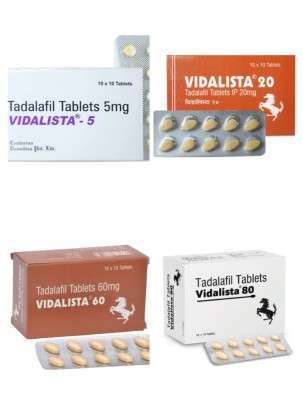
Tadalafil: 2.5 mg, 5 mg, 10 mg, 20 mg tablets; available as daily low-dose or as-needed doses.
Benefits
Improves erection quality and sexual confidence.
Tadalafil also eases urinary symptoms in men with BPH.
Both improve blood flow in pulmonary arterial hypertension patients.
Side Effects
Common: Headache, flushing, dizziness, indigestion, nasal congestion.
Serious (rare): Prolonged erection, sudden vision/hearing loss, chest pain.
Choosing Between Them
Sildenafil: Ideal for shorter, planned sexual activity.
Tadalafil: Better for longer duration, spontaneous activity, or daily use.
Choice depends on lifestyle, medical history, and doctor’s advice.
Cost Considerations
Generic versions are more affordable than branded (Viagra or Cialis).
Prices vary by country, pharmacy, and dosage.
sildenafil and dapoxtine
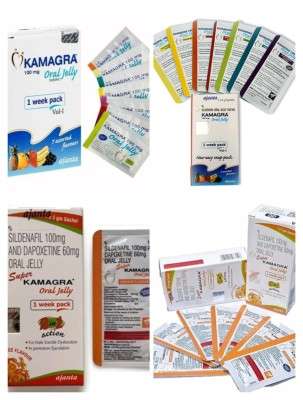
Sildenafil and Dapoxetine are often used together to treat sexual difficulties in men. Sildenafil (Viagra) helps achieve and maintain a firm erection by improving blood flow, while Dapoxetine (Priligy) delays ejaculation, helping control premature ejaculation. Both are taken before sexual activity, and combined use should be done under doctor supervision for safety and effectiveness.
sildenafil vs dapoxtine
What They Are
Sildenafil (Viagra) – A PDE5 inhibitor used to treat erectile dysfunction (ED) by improving blood flow to the penis.
Dapoxetine (Priligy) – A selective serotonin reuptake inhibitor (SSRI) used to treat premature ejaculation (PE) by delaying ejaculation and improving control.
Uses
Sildenafil (Viagra): Treats erectile dysfunction by improving blood flow to help achieve and maintain a firm erection.
Dapoxetine (Priligy): Treats premature ejaculation by delaying ejaculation and improving control during sexual activity.
Combined use: Helps men who experience both ED and premature ejaculation, enhancing performance, confidence, and sexual satisfaction.
How They Work
Sildenafil: Relaxes blood vessels, increasing blood flow during sexual stimulation to help achieve and maintain a firm erection.
Dapoxetine: Increases serotonin levels in the nervous system, which helps delay ejaculation and extend sexual activity.
Onset and Duration
Sildenafil: Works within 30–60 minutes; lasts 4–6 hours.
Dapoxetine: Works within 1–3 hours; its effect lasts for several hours to help control ejaculation during sexual activity.
Dosage Options
Sildenafil: 25 mg, 50 mg, 100 mg tablets; taken as needed, usually 30–60 minutes before sex.
Dapoxetine: 30 mg or 60 mg tablets; taken 1–3 hours before sexual activity.
Benefits
Sildenafil: Improves erection quality, sexual performance, and confidence.
Dapoxetine: Helps delay ejaculation, increasing sexual satisfaction and control.
Combined use: Sometimes prescribed together to treat both ED and PE in men who experience both conditions.
Side Effects
Sildenafil: Headache, flushing, dizziness, nasal congestion, indigestion. Rare: prolonged erection or vision changes.
Dapoxetine: Nausea, dizziness, headache, diarrhea. Rare: fainting or mood changes.
Choosing Between or Combining Them
Used individually based on the specific sexual condition.
Can be combined under doctor supervision if a man suffers from both ED and PE, ensuring safety and effectiveness.
Cost Considerations
Generic versions of both medications are more affordable than branded (Viagra or Priligy).
Prices vary by country, pharmacy, and dosage.
Sumbit Your Requirement and get 10% off on all products.